
Supreme Court upheld grant of Disability Pension to Soldiers
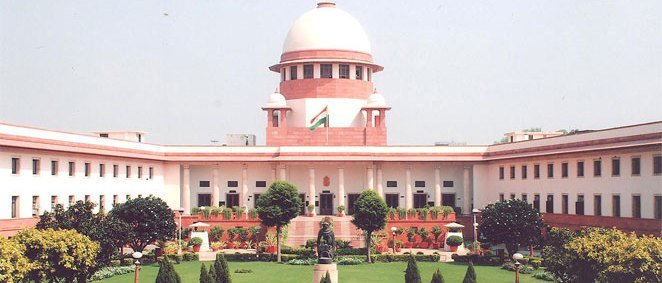
Supreme Court upheld grant of Disability Pension
The Supreme Court upheld grant of Disability Pension, reaffirming statutory protections available to disabled soldiers discharged on medical grounds.
This landmark decision strengthened veterans’ rights and clarified pension entitlements under military law governing disability attributable to service.
Supreme Court upheld grant of Disability Pension: Case Background
The Hon’ble Supreme Court decided Union of India versus Rajbir Singh and others involving multiple appeals by Union Government.
These appeals challenged Armed Forces Tribunal decisions granting disability pension to soldiers medically invalided from military service.
The Tribunal consistently held disabilities attributable to or aggravated by military service, qualifying soldiers for disability pension benefits.
The Union of India contested these findings citing adverse opinions of respective Medical Boards regarding service attribution.
Findings of Armed Forces Tribunal
The Armed Forces Tribunal carefully examined service records, medical evidence, and pension regulations governing disability pension eligibility.
The Tribunal concluded that disabilities occurred during service and crossed statutory threshold exceeding twenty percent assessment.
The Tribunal rejected Medical Board conclusions lacking recorded reasons negating service attribution at initial entry stage.
Supreme Court upheld grant of Disability Pension: Legal Reasoning
The Supreme Court emphasized presumption of physical fitness at time of enrolment into military service.
The Court noted absence of any service record indicating preexisting disease or disability upon recruitment of respondents.
The Medical Boards failed to record convincing reasons rebutting presumption of service attribution for diagnosed disabilities.
The Supreme Court held that such omissions rendered Medical Board opinions insufficient to deny disability pension.
Presumption of Attributability Explained
The Court reiterated that disability arising during service presumptively results from service unless clearly disproved by evidence.
The burden rests upon authorities to establish non-attributability through cogent reasons supported by contemporaneous service records.
Absent such evidence, soldiers remain entitled to disability pension under applicable Pension Regulations.
Disabilities Considered by Supreme Court
The Supreme Court examined diverse disabilities including epilepsy, schizophrenia, neurosis, hypertension, diabetes, mental disorder, and orthopedic injuries.
These disabilities affected soldiers across Army, Air Force, and other military branches during active service tenure.
Most disabilities received assessments exceeding twenty percent, satisfying statutory eligibility for disability pension entitlement.
Representative Cases Considered
The Court considered cases involving Rajbir Singh, Amit Kumar, P.S. Rohilla, Satyaveer Singh, Jagjeet Singh, and others.
Disabilities ranged from generalized seizures to psychiatric disorders and metabolic diseases acquired during military service.
Several disabilities received permanent assessments, strengthening entitlement to lifelong disability pension benefits.
Rejection of Union Government Arguments
The Supreme Court rejected Union arguments relying solely upon Medical Board conclusions denying service attribution.
The Court clarified that Medical Boards must justify conclusions with reasons addressing service conditions and medical progression.
Mechanical reliance upon unexplained medical opinions cannot override statutory presumptions favoring disabled soldiers.
Operative Part of Judgment Explained
The Supreme Court observed that discharge on medical grounds triggers presumption of disability arising during service.
The Court affirmed that absence of contrary evidence sustains attribution or aggravation by military service conditions.
Consequently, denial of disability pension in such circumstances violates pension regulations and settled legal principles.
Direction to Ministry of Defence
The Supreme Court upheld grant of Disability Pension and directed Ministry of Defence to release pension accordingly.
The judgment mandates compliance with Tribunal orders granting disability pension to eligible discharged soldiers.
This ruling binds authorities across services ensuring uniform pension administration for disabled military personnel.
Role of Legal Advocacy
An Armed Forces Law expert in Jaipur contributed significantly to this favorable legal outcome.
His advocacy highlighted inconsistencies in Medical Board findings and reinforced statutory protections for disabled soldiers.
The judgment serves as guiding precedent for similarly situated veterans pursuing disability pension claims.
Impact of Judgment on Veterans
The judgment provides relief to thousands of veterans denied disability pension despite service-related medical conditions.
It strengthens confidence in judicial protection against arbitrary administrative pension denials by authorities.
The ruling ensures humane interpretation of pension regulations benefiting soldiers who sacrificed health for national service.
Importance of Supreme Court upheld grant of Disability Pension
The keyword Supreme Court upheld grant of Disability Pension reflects authoritative legal precedent relevant for veterans’ rights.
This judgment attracts legal, administrative, and public interest due to its wide-ranging pension implications.
Legal content educates soldiers, lawyers, and policymakers about enforceable disability pension entitlements.
Frequently Asked Questions on Supreme Court upheld grant of Disability Pension
What did the Supreme Court decide regarding disability pension?
The Supreme Court upheld grant of Disability Pension for soldiers whose disabilities arose or aggravated during military service.
Which case established this principle?
Union of India versus Rajbir Singh and others established authoritative principles governing disability pension entitlements.
Why were Union appeals dismissed?
The Court dismissed appeals due to absence of reasons disproving service attribution in Medical Board reports.
What presumption applies at recruitment?
The law presumes soldiers medically fit at recruitment unless service records clearly prove preexisting disease.
Does Medical Board opinion prevail automatically?
Medical Board opinions require reasoned justification and cannot automatically override statutory pension presumptions.
What disability percentage qualifies for pension?
Disabilities assessed above twenty percent qualify soldiers for disability pension under pension regulations.
Are psychiatric disabilities covered?
Psychiatric disabilities including schizophrenia, neurosis, and mental disorders qualify when service attributable or aggravated.
Does permanent disability matter?
Permanent disability strengthens entitlement but temporary assessed disabilities also qualify if exceeding statutory threshold.
Which forces benefit from this judgment?
Army, Air Force, and other military personnel benefit equally from this Supreme Court ruling.
Can authorities deny pension without reasons?
Authorities cannot deny disability pension without recording cogent medical and service-related reasons.
What role did Armed Forces Tribunal play?
The Tribunal granted initial relief by recognizing service attribution of disabilities under pension regulations.
Is this judgment binding?
Yes, this Supreme Court judgment binds all authorities and tribunals across India.
Does this apply to LMC soldiers?
Low Medical Category soldiers discharged on medical grounds benefit from this legal principle.
Can veterans reopen denied claims?
Veterans can challenge wrongful pension denial relying upon this authoritative Supreme Court precedent.
Why is this judgment important?
This judgment protects veterans’ dignity and ensures fair compensation for service-related disabilities.